One person. Unreal Engine learned from scratch. A fictional dystopian sci-fi feature — built as a solo project from zero.
Type
3D Cinematic Trailer
Role
Solo
Software
Unreal Engine 5
Duration
6 months
01 · Introduction
"Alpha Fading" is a 3D cinematic teaser trailer for a fictional dystopian sci-fi feature film — created entirely as a solo project. Unreal Engine was learned from scratch specifically for this production, making it both a major creative undertaking and a technical experiment: what can one person achieve with real-time rendering technology, limited time, and no prior experience with the engine?
The project took place across six months — the first two months dedicated solely to learning Unreal Engine, followed by an intense production phase averaging one shot per day.
02 · Story
In a future dominated by the mega-corporation Omega, the overcrowded megacity Alpha is all that remains. John — isolated, searching for meaning — is sent by his mentor Frank on a mission into the wastelands beyond the city walls, toward a rumoured community that lives outside Omega's control.
What begins as hope curdles into conflict. The story draws from the visual grammar of Blade Runner: neon fog, oppressive architecture, and human smallness against a world that wasn't built for them. Loneliness, identity, and the cost of individuality — compressed into a two-minute trailer.
03 · Styleframes
04 · Process
The production didn't start with visuals — it started with the soundtrack. Once the music was locked, a rough edit was cut to define the exact number of shots and their timing. Every beat of the trailer was mapped before a single scene existed in 3D.
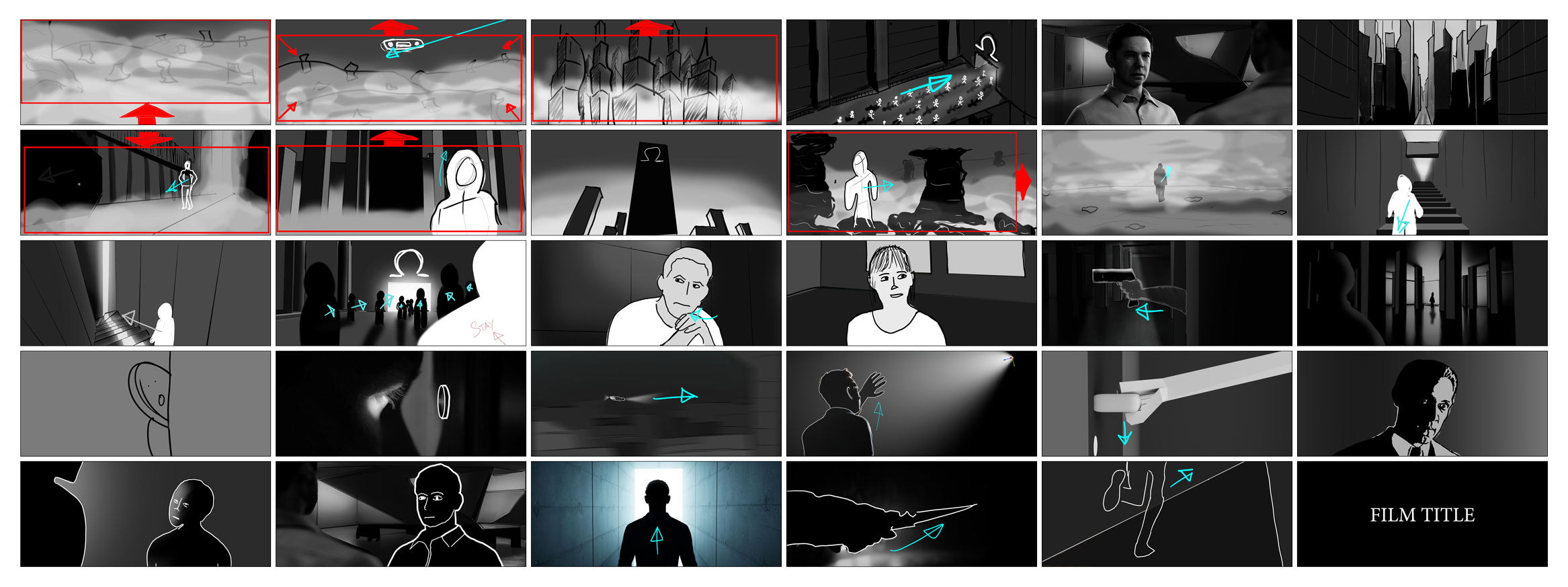
From the edit, a full storyboard was drawn in Photoshop using reference imagery and hand-sketched frames on a Wacom tablet. Music, storyboard, and timing were then combined into an animatic in Premiere Pro — a locked backbone that the entire production was built around.
Learning Unreal Engine
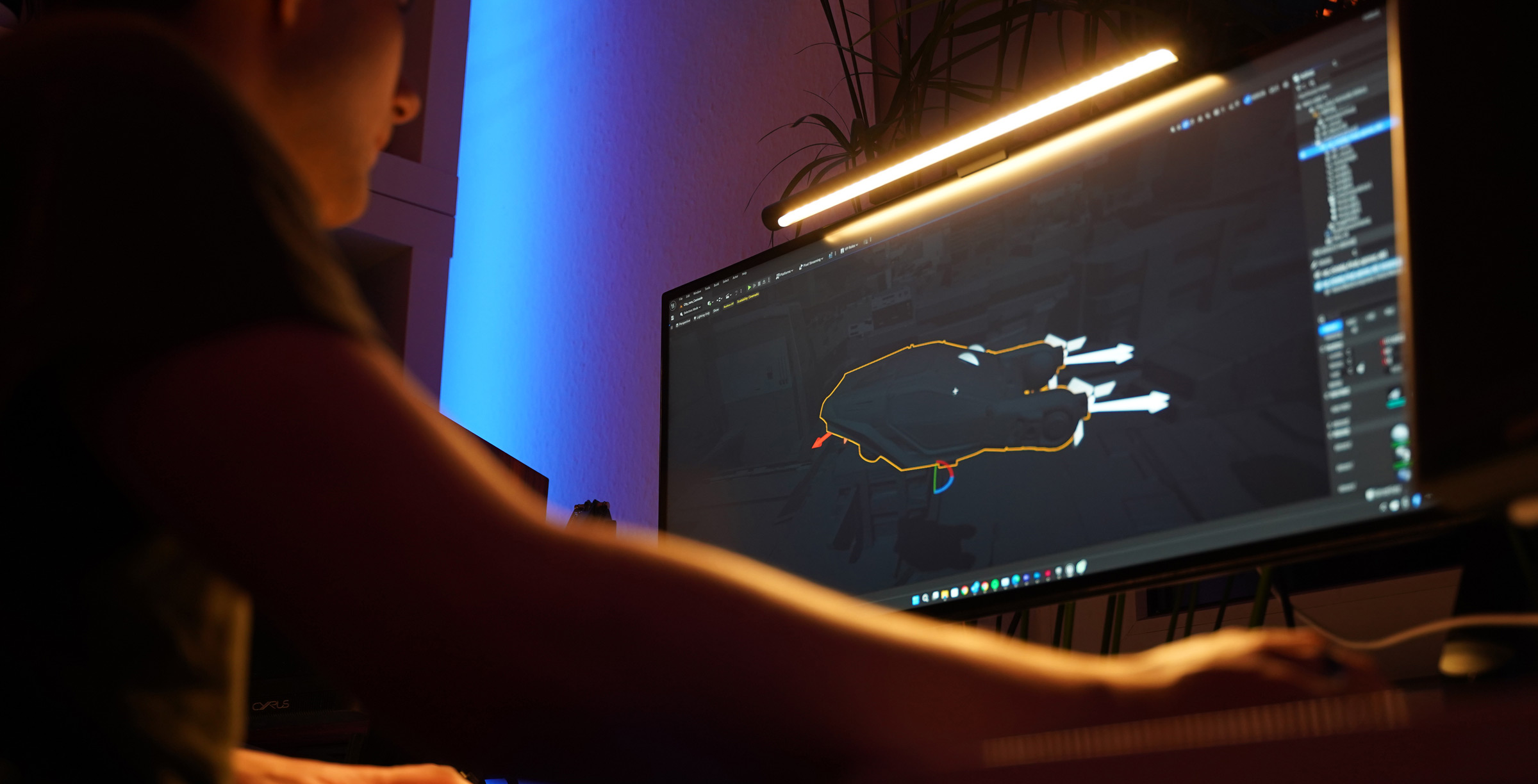
Before a single production shot was touched, two months went entirely into understanding Unreal Engine 5 through small test projects and controlled experiments. The focus: environment construction, asset pipelines, MetaHuman integration, and the limits of the engine's cinematic rendering capabilities.
This wasn't optional. Skipping the learning phase and diving into production would have meant rebuilding everything halfway through. The investment paid off — by the time production started, the pipeline was solid and the engine's constraints were known quantities rather than surprises.
Set Building
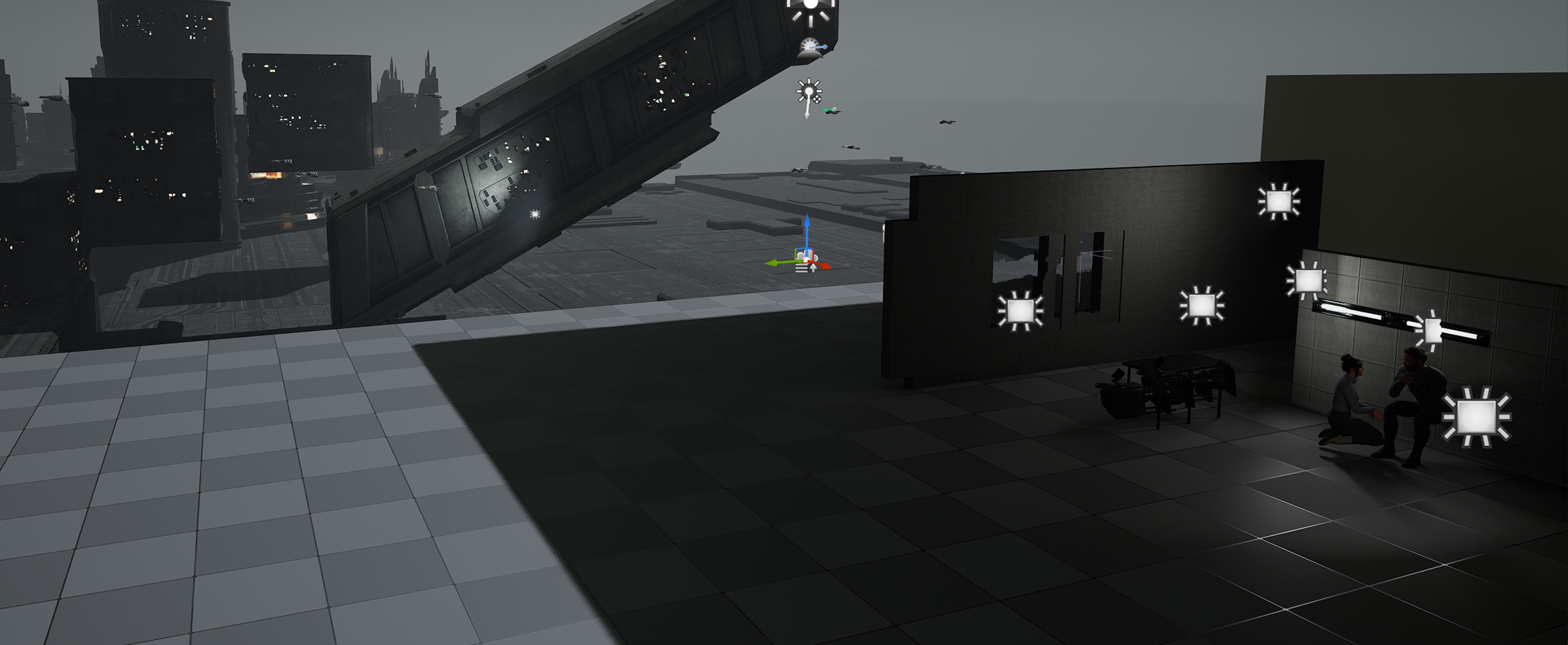
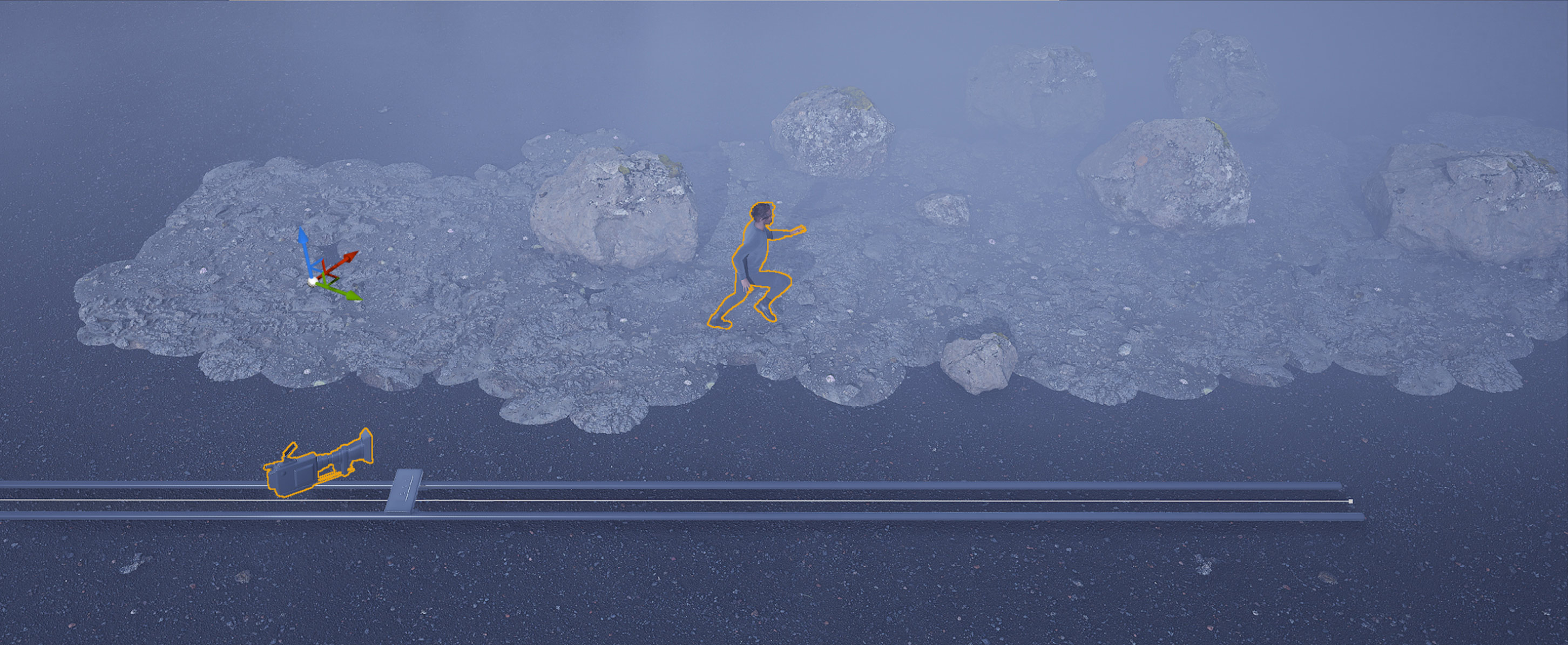
Efficiency under a one-shot-per-day constraint demanded a deliberate approach to set construction. Two workflows emerged. For shots that shared an environment, complete sets were built first — then cameras and characters were placed. For unique one-off shots, the camera and character were placed first, and only what was visible in-frame was constructed.
Assets came from Quixel Megascans and Sketchfab. Custom assets — most notably the Omega corporation logo and branding — were modelled in Maya and imported as FBX. Nothing that couldn't be seen was built.
Animation
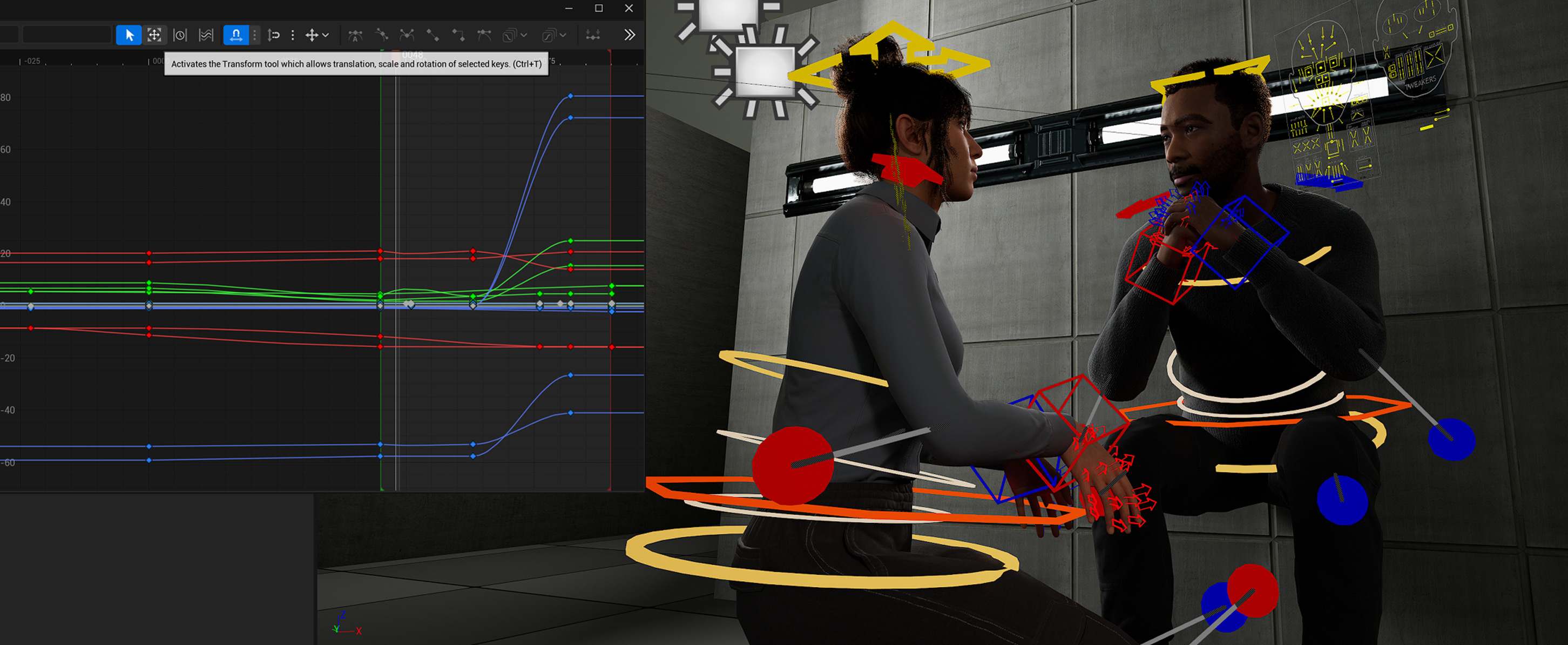
Character animation combined MetaHuman Control Rigs — using FK and IK controllers keyframed in the Graph Editor — with pre-built motion assets for larger movements. Camera motion, water surfaces, and atmospheric fog were animated through a mix of keyframes and procedural material parameters.
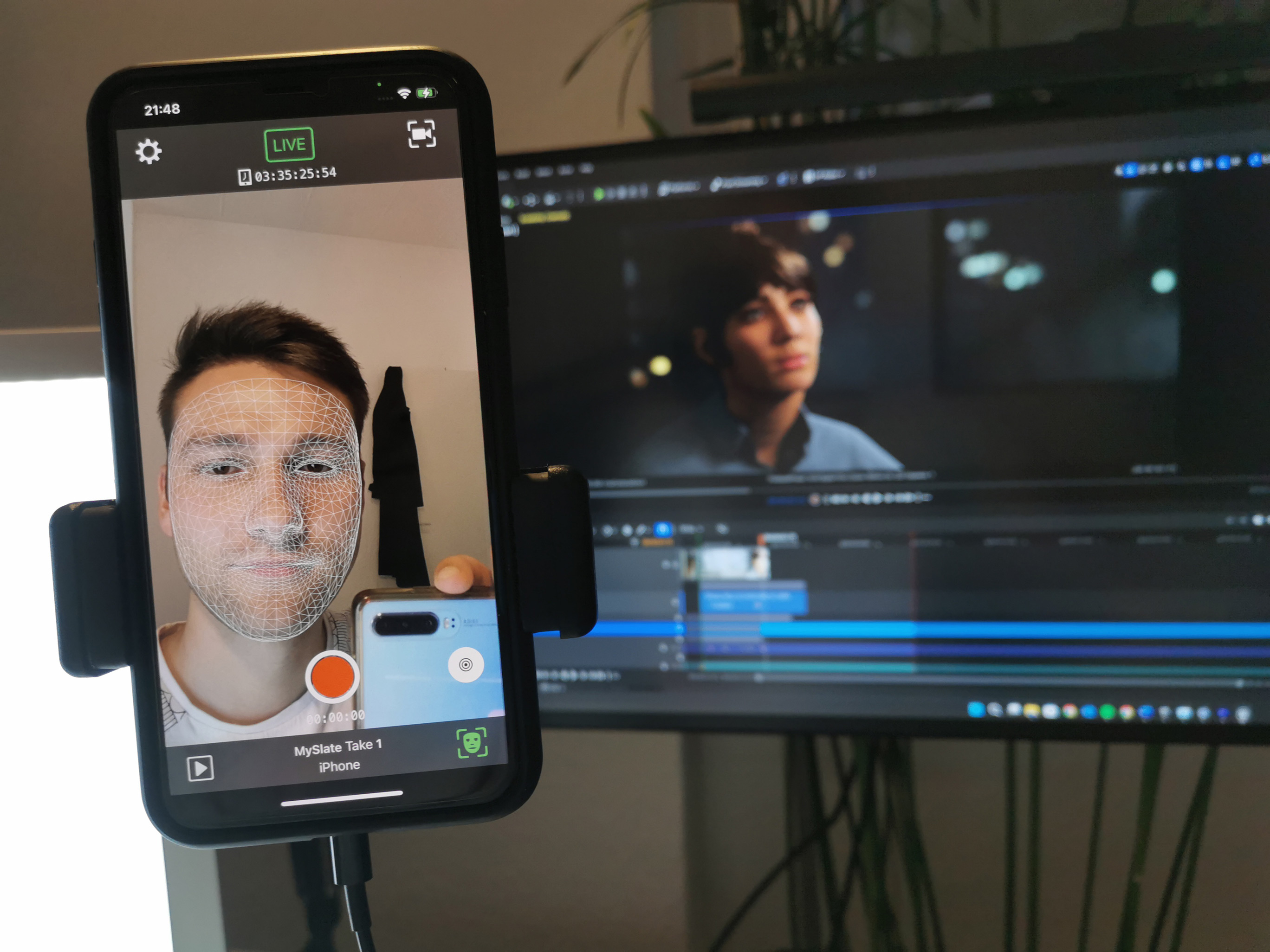
Facial performances were captured with an iPhone's depth camera via the Facelink app. Around 80 takes were recorded per shot to find the right performance. Selected takes were converted to keyframes, then refined manually. Facelink's tendency to miss subtle expressions meant performances had to be deliberately exaggerated during capture, then dialled back in the Graph Editor.
Lighting & Rendering
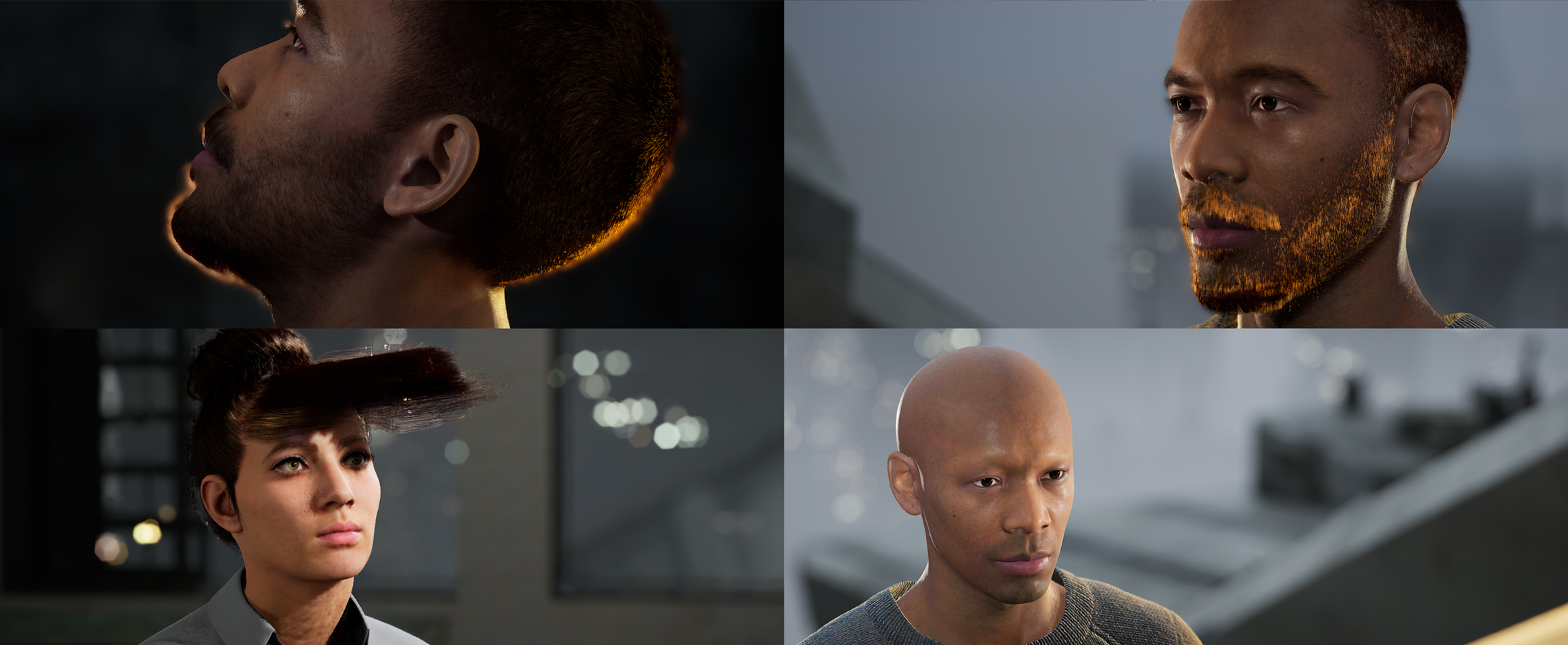
Lighting followed a cinematic three-point approach throughout — key, fill, and rim — with heavy use of animated lights to prevent unwanted shadow drift during camera movements. Darkness and fog were central to the visual language, which meant constantly fighting the tension between atmosphere and readability.
Despite UE5's real-time capabilities, a deferred high-quality render was used for final output — accumulating additional samples per frame for cleaner results. Shots were exported as ProRes 4444 at 12-bit colour depth. On average, each shot was rendered five times due to issues including shadow flickering from insufficient ray tracing light, hair simulation errors, render artifacts, and overexposed fog volumes. Several final shots were composited from multiple render passes.
Titles & Sound
All title animations were built in After Effects with a futuristic aesthetic. The main title fragments and drifts apart — a visual echo of the film's themes of identity and dissolution, and a direct reflection of the fog and atmospheric haze throughout the trailer.
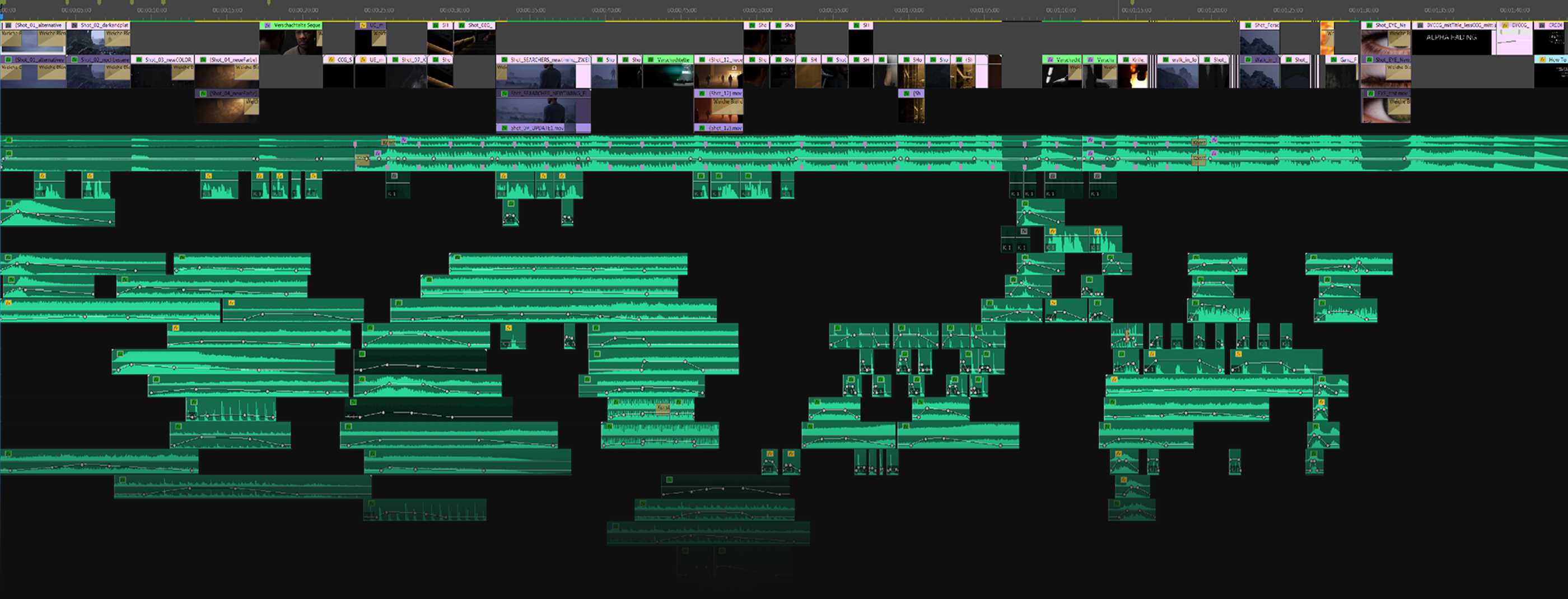
Professional voice actors were cast via Fiverr and briefed per character. Sound design layered atmospheric ambience with detailed foley effects, processed through parametric EQ, pitch shifting, and reverb in Premiere Pro. The final mix was mastered at -16 LUFS — loud enough to land, controlled enough not to distort.
Tools
Solo project — conception, modelling, animation, lighting, rendering, compositing, sound design, voice casting.
Hochschule RheinMain · Bachelor's final project · 2024.